HOME - HOMELAND
Lesson Plan | Grades 7–12 | by Zion Ozeri, Josh Feinberg, and Dara Unterberg
Opening
Begin by asking students to think about the words home and homeland.
- What makes a place home?
- What makes a place a homeland?
- Are they necessarily the same place?
Explain:
For Jews, the relationship to Israel has always carried a particular tension. Even as Jewish communities built homes and lives across the world, from the Middle East to Spain, from Eastern Europe to North Africa, Israel remained, historically and traditionally, “the homeland,” a place distinct from wherever Jews actually lived.
From the biblical period, beginning with the Israelite settlement of the land in the time of Joshua, Jews have maintained a continuous presence in the Land of Israel. Even when Jews lost political control or were scattered across the globe, Jewish life in the land did not disappear. Ancient Jewish texts written in the Land of Israel, medieval travel accounts such as those of Benjamin of Tudela, and documents from the Cairo Genizah attest to Jewish communities living there throughout history. Ottoman records and nineteenth-century population counts likewise document a Jewish presence in the land long before modern Zionism.
In modern times, Jews came to Israel for very different reasons. Some left comfortable, established lives elsewhere, choosing Israel out of conviction, faith, or a longing to return to the homeland their ancestors had carried in memory for centuries. Others arrived with nowhere else to go, refugees fleeing persecution, expulsion, or destruction, for whom Israel was not a choice among options but the only place left to call home. Together, these journeys turned a homeland long held in longing into a lived, physical reality.
Before turning to the photographs, ask:
- What might it mean to leave a place that is home to go to a place you understand as your homeland?
- How might a homeland become a home?
- What tensions, losses, hopes, or possibilities might be contained in that transition?
For Jews, the relationship to Israel has always carried a particular tension: even as Jewish communities built homes and lives across the world, from the Middle East to Spain, from Eastern Europe to North Africa, Israel remained, historically and traditionally, "the homeland," a place distinct from wherever Jews actually lived.
From the biblical period, beginning with the Israelite settlement of the land in the time of Joshua, Jews have been a continuous presence in the Land of Israel. Even when Jews lost political control or were scattered across the globe, Jewish life in the land did not disappear. Ancient Jewish texts written in the Land of Israel, medieval travel accounts such as those of Benjamin of Tudela, and documents from the Cairo Genizah show that Jews continued living there throughout history (Benjamin of Tudela, Travels; Cairo Genizah documents; Cambridge University Press). Ottoman records and 19th-century population counts confirm that Jews lived in the land continuously, long before modern Zionism (DellaPergola et al.).
In modern times, Jews came to Israel for very different reasons. Some left comfortable, established lives elsewhere, choosing Israel out of conviction, faith, or a longing to return to the homeland their ancestors had carried in memory for centuries. Others arrived with nowhere else to go, refugees fleeing persecution, expulsion, or destruction, for whom Israel was not a choice among options but the only place left to call home. Together, these journeys turned a homeland long held in longing into a lived, physical reality.
Part 1: Reading the Photographs
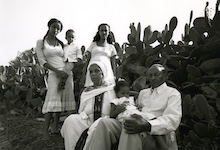
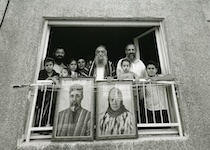
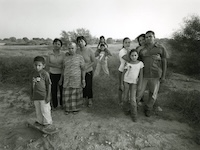
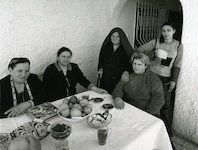
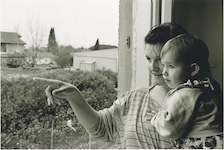
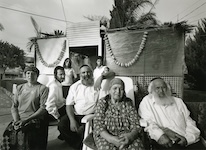
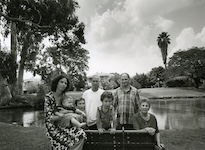
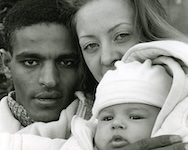
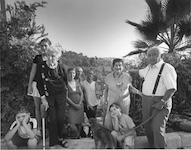
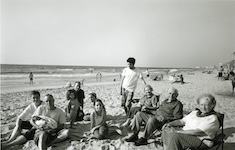
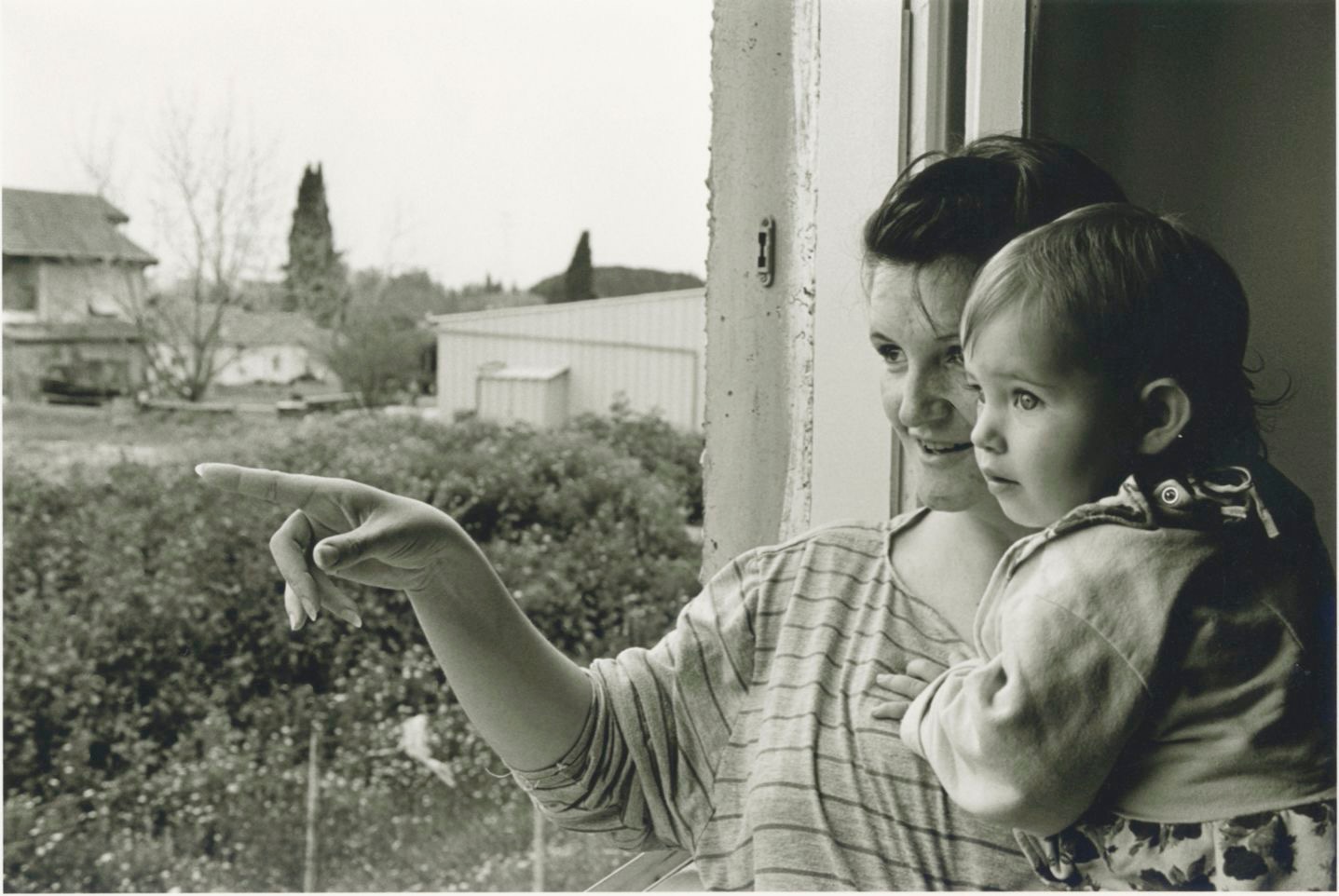
Each of the following photographs shows a family or individual who made aliyah — who immigrated to Israel — from a different part of the Jewish world. Look through them together.
 |
 |
 |
 |
 |
 |
 |
 |
 |
 |
All images © Zion Ozeri. All Rights Reserved.
Click the thumbnails above to open the full-size images and related background information.
Look closely at these photographs and discuss:
- What details suggest that these families have built lives and put down roots in Israel?
- Look especially at the different generations. How might home and homeland mean something different to someone who immigrated to Israel and to a child or grandchild born there?
- Choose one photograph that, for you, most strongly expresses the idea of home. Choose one that most strongly expresses homeland. What made you choose each one?
- Which photograph, if any, makes you rethink something you said at the beginning about the meaning of home or homeland? How?
Part 2: The Text
The photographs show what it can look like to build a home in an ancestral homeland. But does arriving in the homeland mean that the place you left behind stops being home? Leah Goldberg (1911–1970), one of Israel’s most celebrated poets, was born in Lithuania and moved to pre-State Israel in 1935. In her Hebrew poem Pine, Goldberg explores this question through her own experience. When she writes of “here,” she is referring to the Land of Israel; when she recalls the past, she is remembering the land where she was born.
|
Pine Here I will not hear the voice of the cuckoo. Here the tree will never wear a cape of snow. The chime of the needles: Once upon a time Perhaps only migrating birds know With you I was transplanted twice, |
|
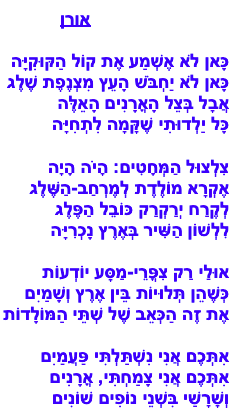
- Goldberg describes the place of her childhood and the Land of Israel as two homelands. What does each one give her that the other cannot?
- Why does Goldberg describe having two homelands as a “heartache”? Is the poem only expressing loss?
- Why do you think Goldberg contrasts the landscapes of snow and pine trees? What does each reveal about her relationship to the two places she calls homeland?
- What do the images of migrating birds, transplantation, and roots suggest about what it means to belong somewhere?
- The poet feels rooted in two different places. Have you ever felt a strong connection to two different places? What gives each of them a sense of belonging for you?
Part 3: Synthesis
- The poet describes having roots in two different lands. As generations grow up in Israel, what do you think happens to those roots? Do they fade, remain, or take new forms? What might that look like for the children and grandchildren in these photographs?
- Jews maintained a continuous presence in the Land of Israel even through centuries of dispersion. How do that history, the photographs, and Goldberg’s experience help us understand the difference between arriving somewhere and coming home?
Follow-Up Activity
Photographing Home and Homeland
Choose someone whose story involves moving between places, countries, or cultures. Photograph that person with an object that expresses something about their relationship to home, homeland, or both.
Think carefully about the object, setting, and composition of your photograph. Write a short paragraph explaining the choices you made and what you wanted your photograph to communicate about the person’s experience of home and belonging.
The Objects We Carry
Imagine you are leaving the place you have always called home to make your life in a place you consider your homeland. Choose a few things you would take with you that represent the life, memories, relationships, or identity you would not want to leave behind.
Create a photograph or a display of the objects. For each one, briefly explain why you chose it.
PHOTOS
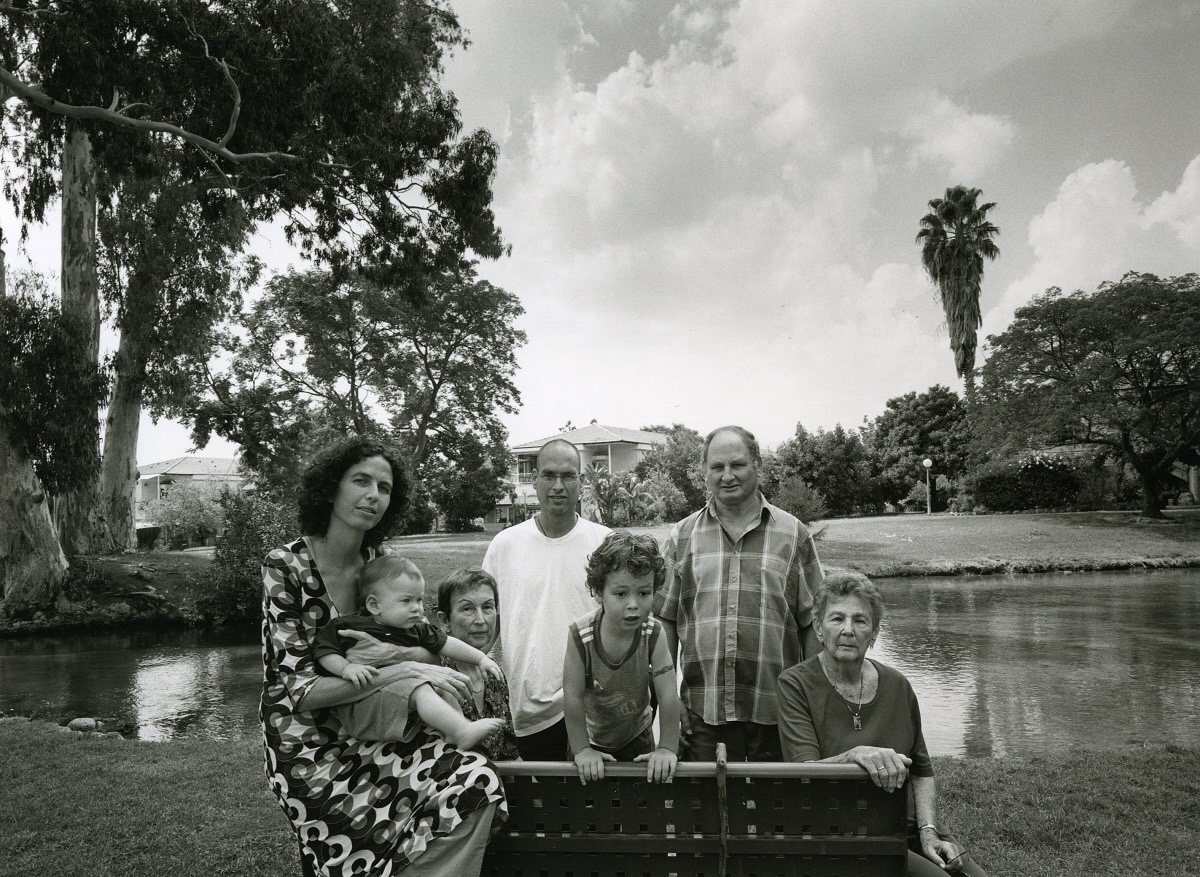
Family Origin: Germany, Kibbutz Dafna, Israel
To learn more about Germany Jewry: 1,700 Years OF JEWISH LIFE IN GERMANY
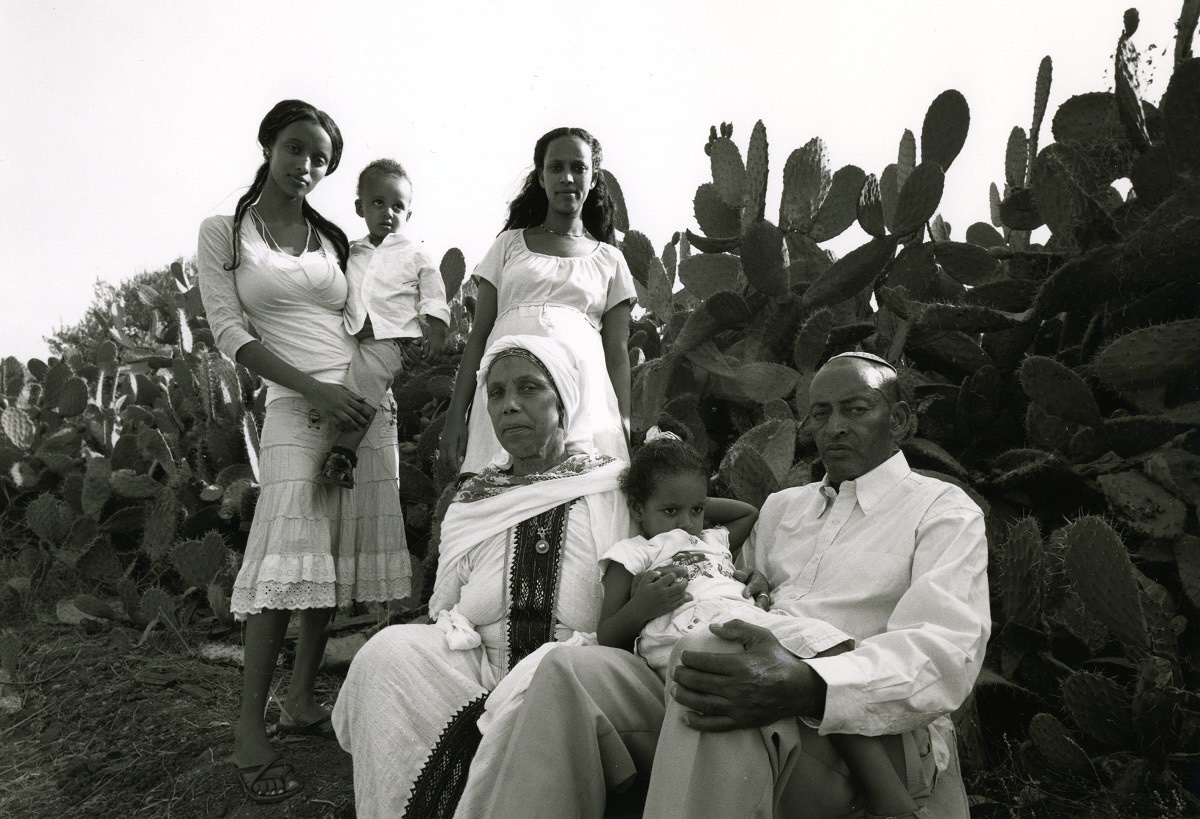
Family Origin: Ethiopia, Rehovot, Israel
To learn more about Ethiopian Jewry: The History of Ethiopian Jewry | My Jewish Learning
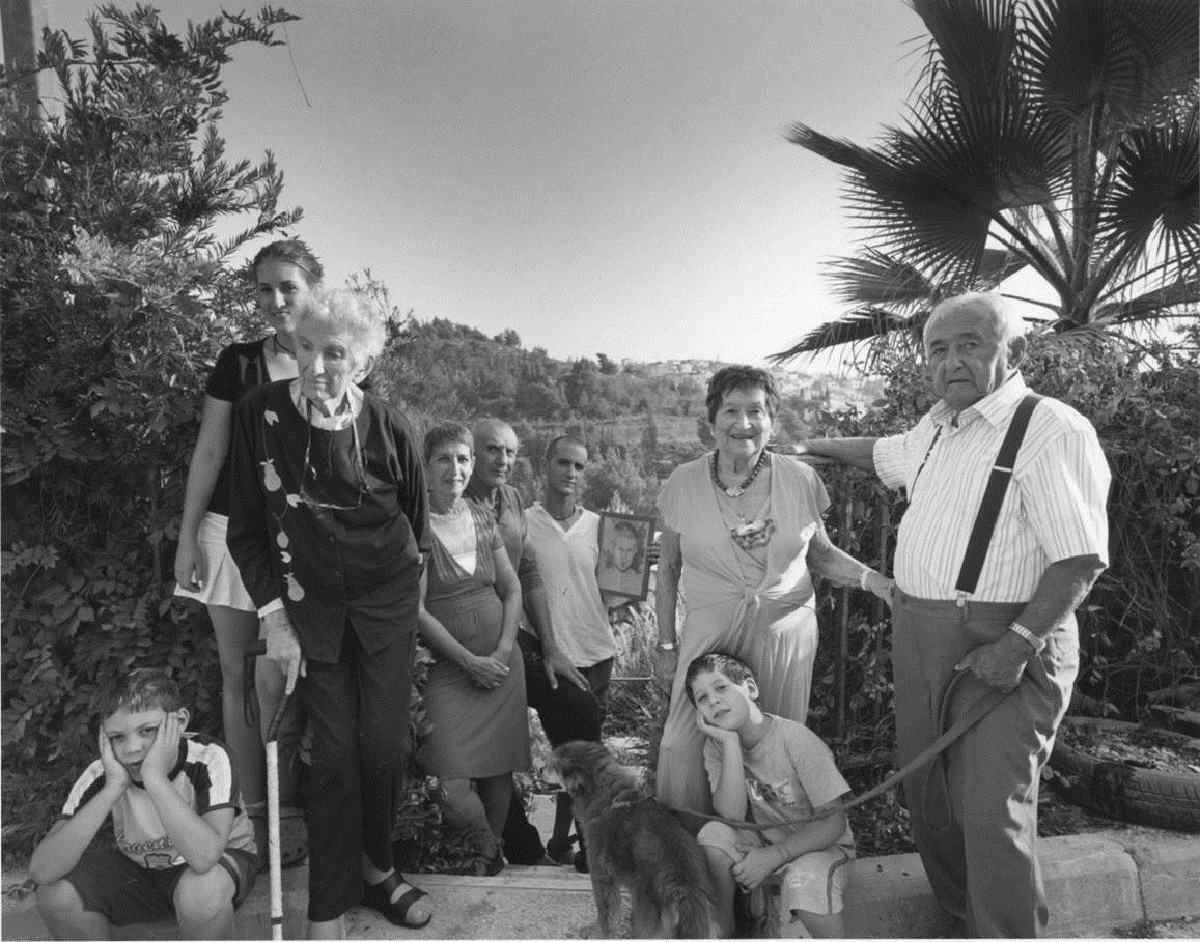
Family Origin: Poland & England, Mevaseret Zion, Israel
To learn more about about Polish Jewry: Community in Poland - World Jewish Congress
To learn more about British Jewry: United Kingdom Virtual Jewish History Tour
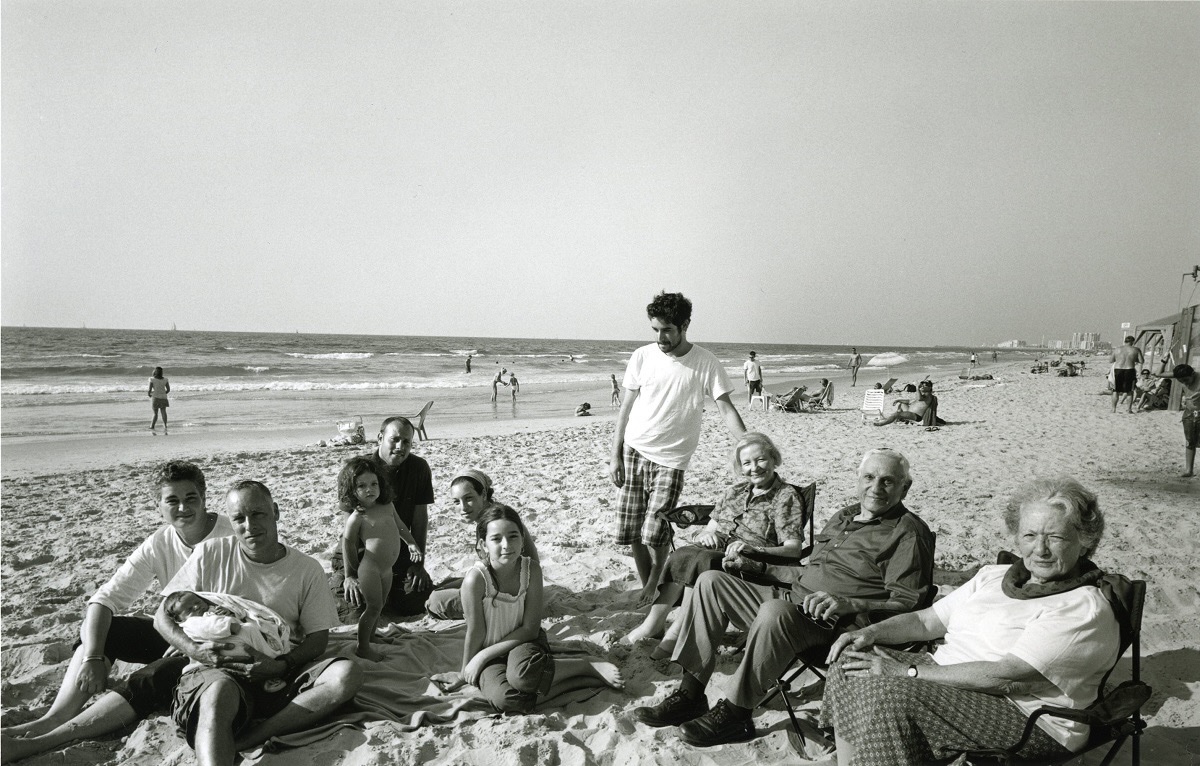
Family Origin: USA, Tel Aviv, Israel
To learn more about American Jewry: Community in United States of America - World Jewish Congress
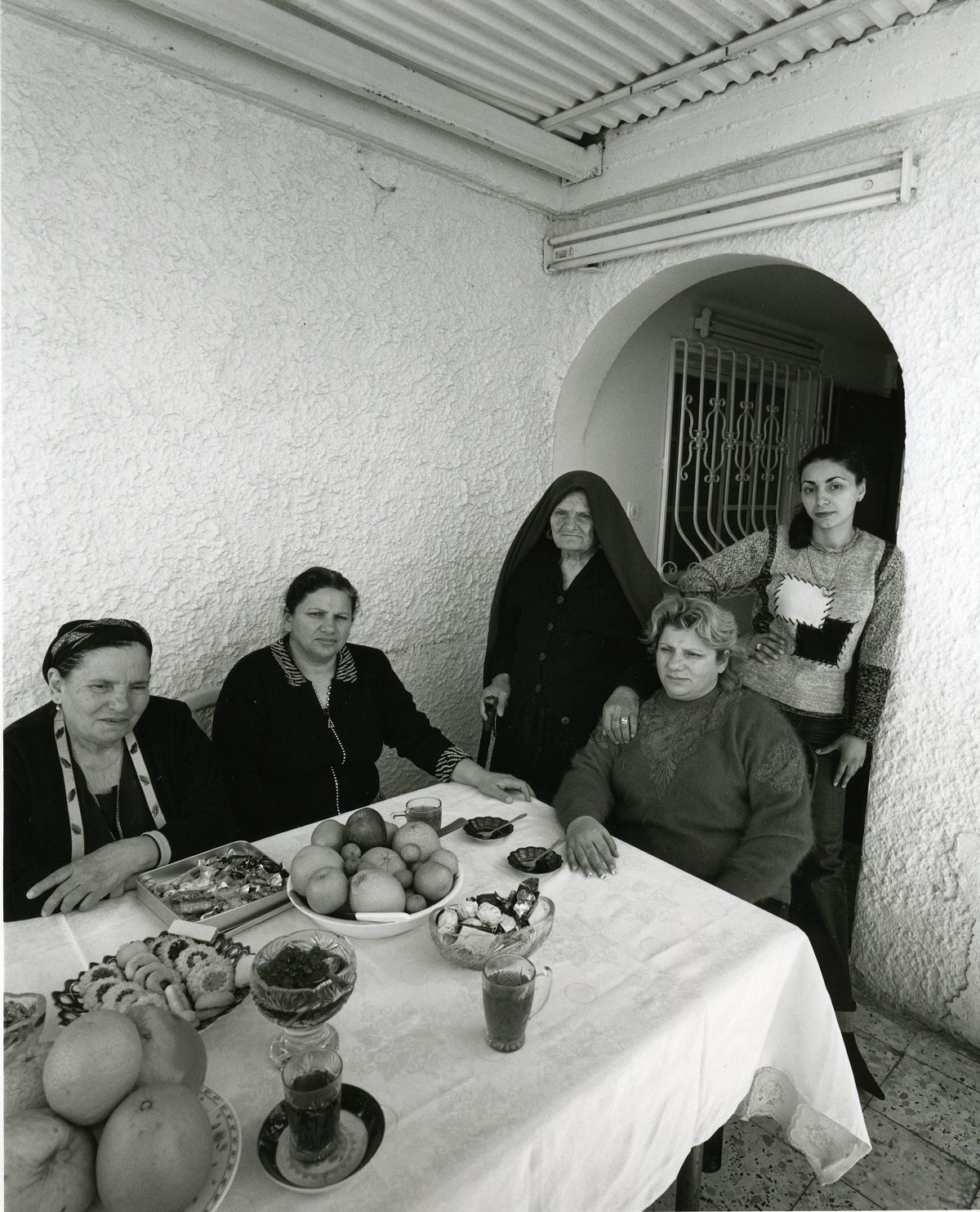
Family Origin: Baku (Azerbaijan), Acco, Israel
To learn more about Azerbaijan Jewry: Jewish Heritage in Azerbaijan
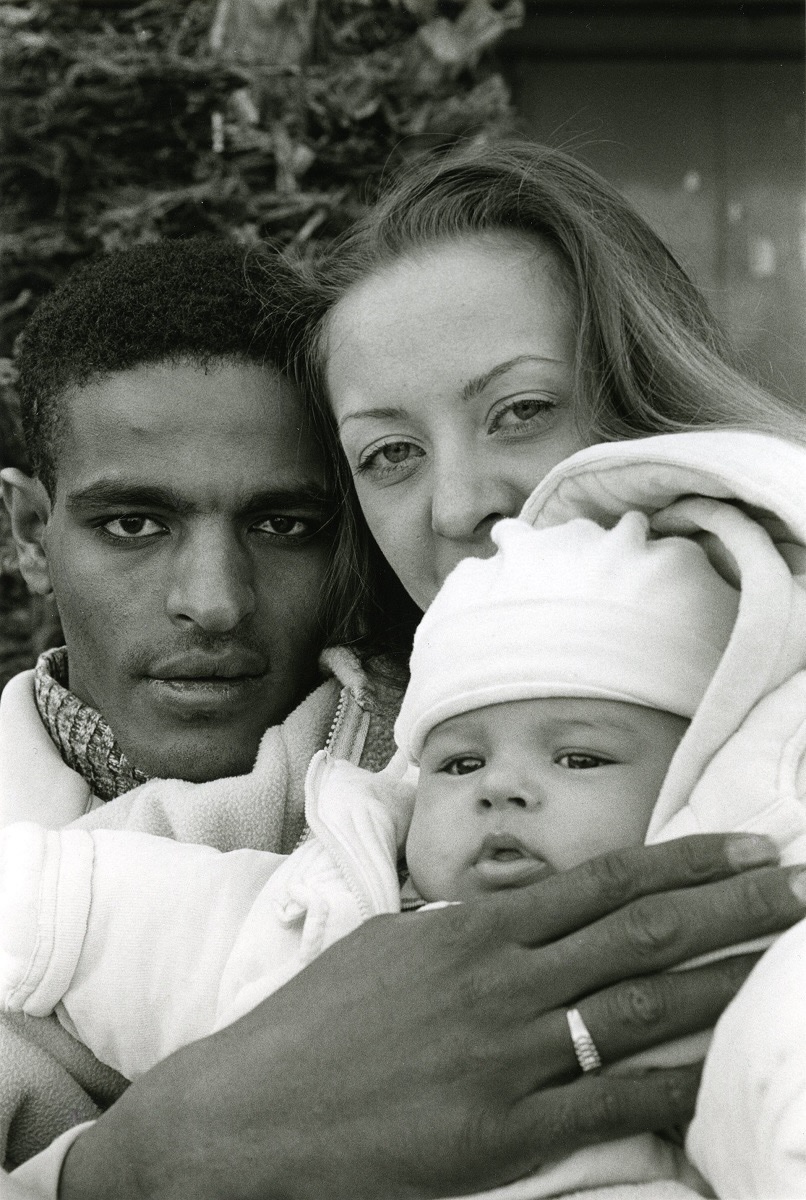
Family Origin: Ethiopia & Belarus, Haifa, Israel
To learn more about Belarus Jewry: History of Jews in Belarus - European Jewish Heritage
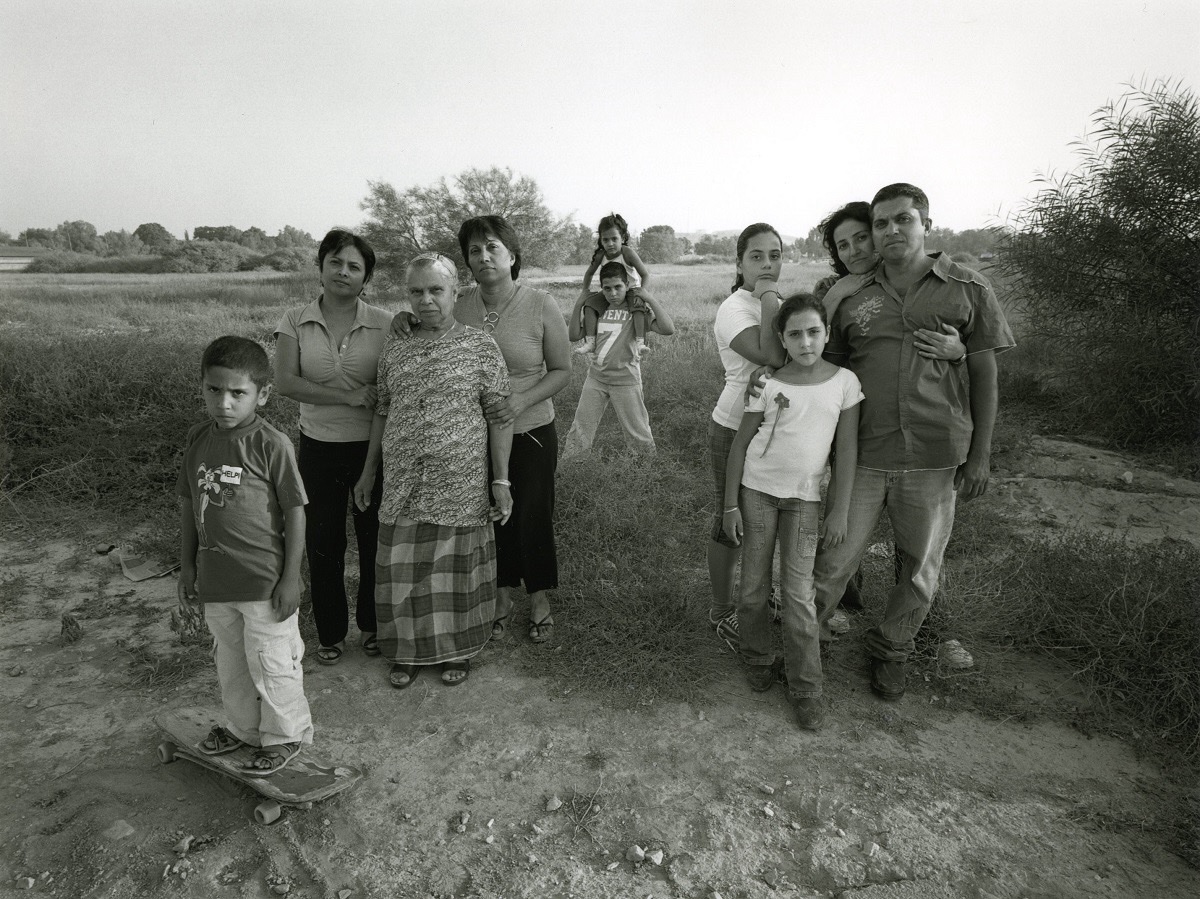
Family Origin: India, Moshav Nevatim, Israel
To learn more about Indian Jewry: Virtual Jewish History Tour
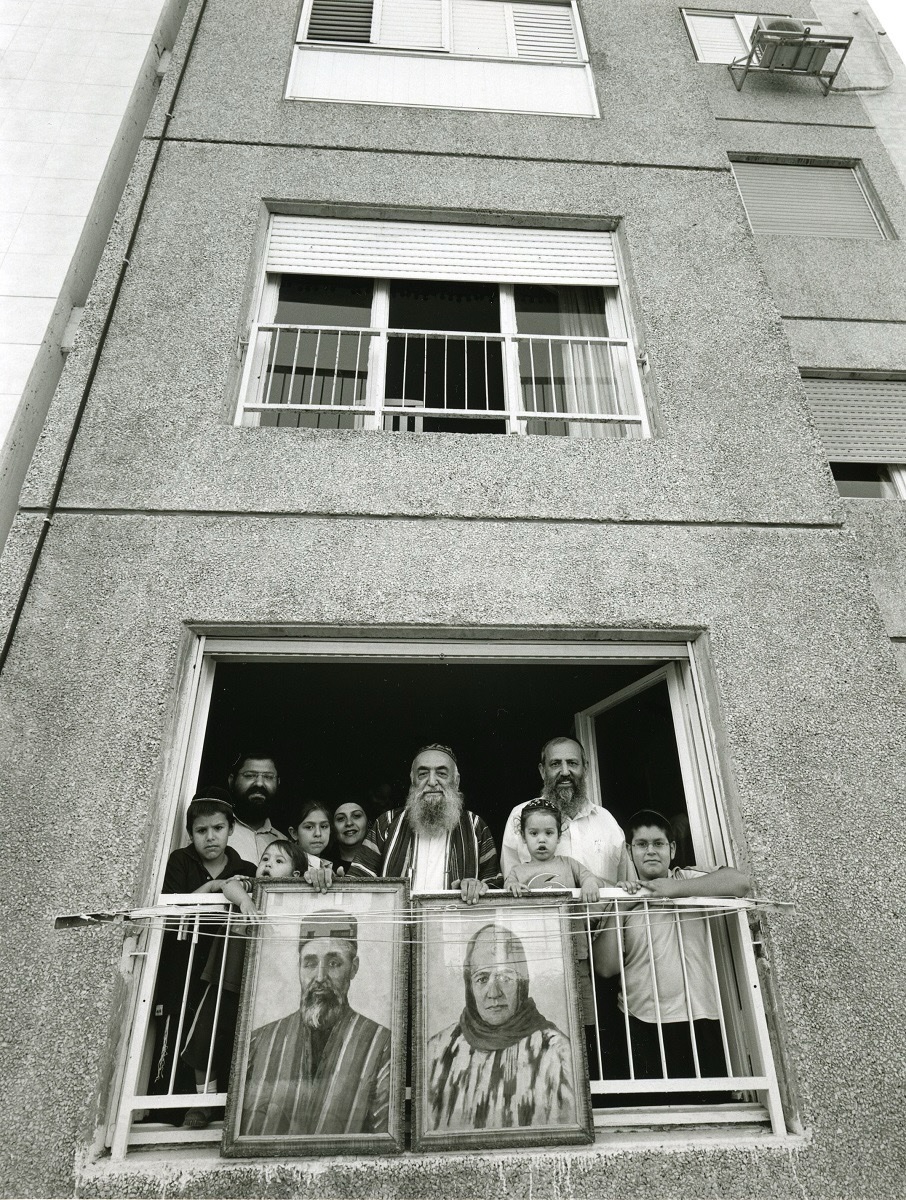
Family Origin: Uzbekistan, Kiryat Malachi, Israel
To learn more about Bukharan Jewry: The Bukharan Jews – Center for Research of Jewish Communities of the Caucasus and Central Asia (CJCC)
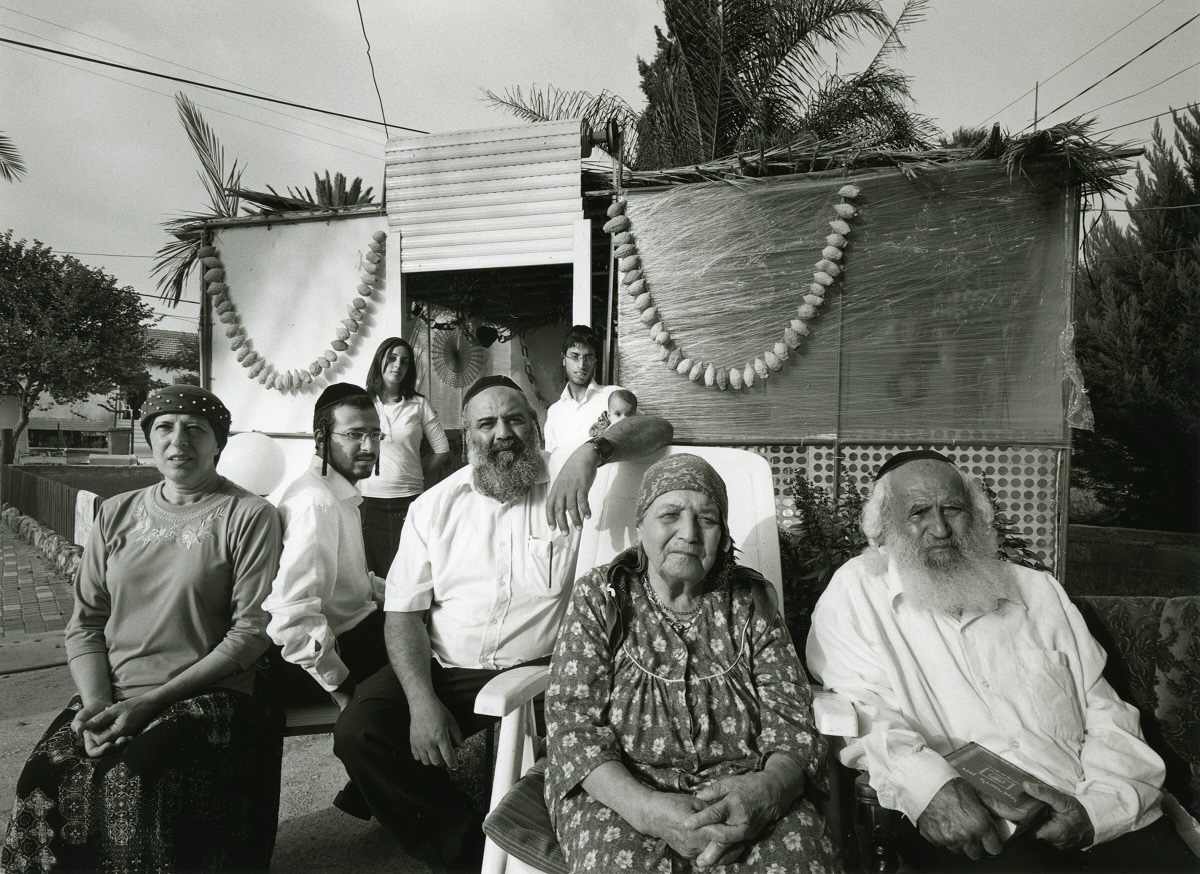
Family Origin: Yemen, Moshav Yishi, Israel
To learn more about Yemenite Jewry: Yemen Virtual Jewish History Tour
Hadera, Origin, Russia, circa 1998